Exploring the History of Traditional Games in Ireland
Traditional games hold a unique place in the tapestry of Irish culture, serving not just as entertainment but also as a means of social bonding and cultural expression. This article delves into the rich history of these games, illustrating their significance and the way they have evolved over time.
Understanding the Basics of Traditional Irish Games
Traditional games, such as hurling, gaelic football, and rounders, have been played in Ireland for centuries. According to historical records, many of these games were played as far back as the 12th century. Experts suggest that these games often involved a combination of skill, strategy, and community engagement.
"Traditional games are more than just pastimes; they are a reflection of our culture and history."
The Evolution of Traditional Games
The evolution of these games can be attributed to several factors:
- Societal Changes: As society has evolved, so too have the rules and formats of traditional games. For example, hurling has been adapted to fit modern sporting standards while still maintaining its core essence.
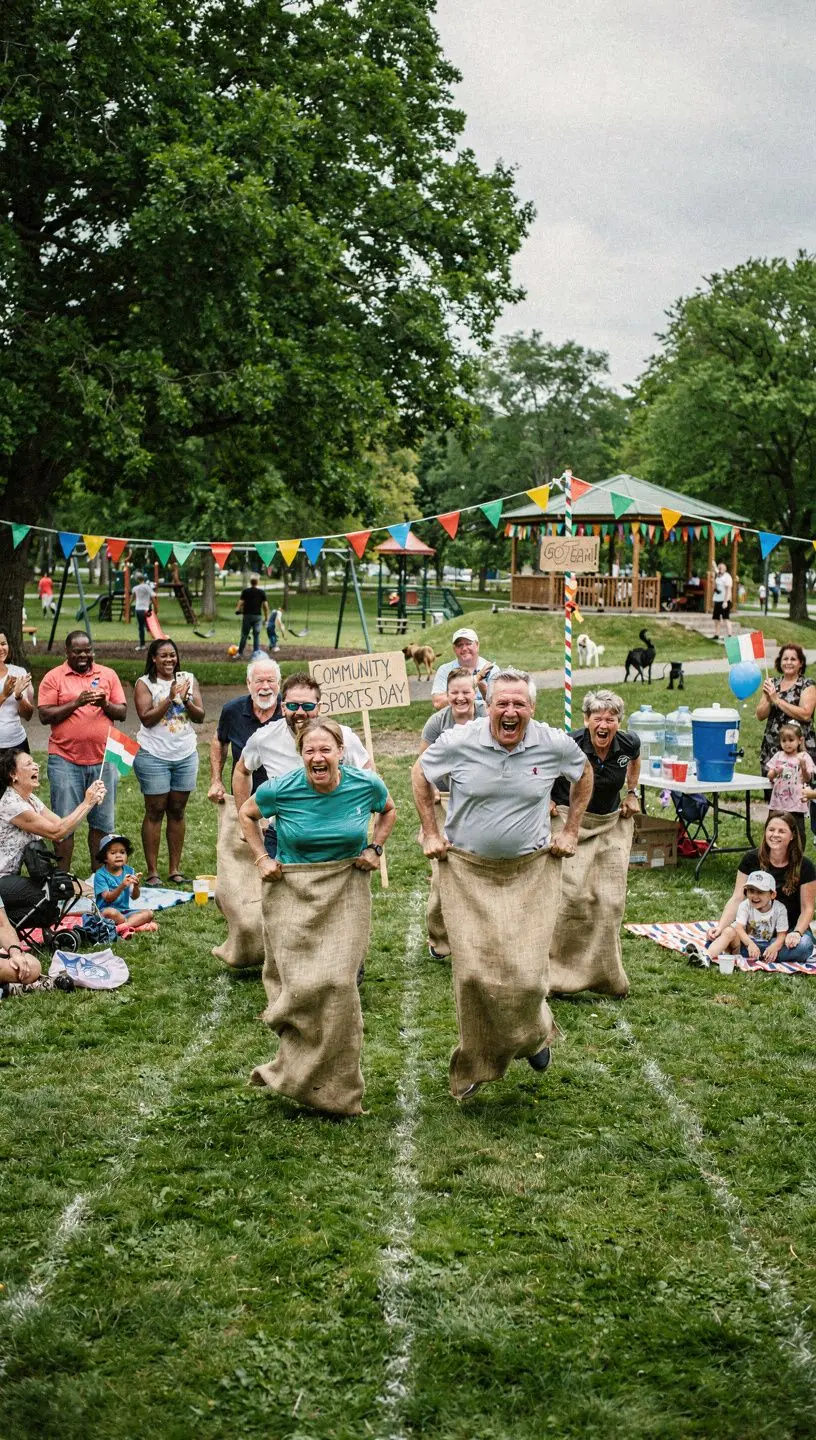
- Community Involvement: Many traditional games require significant community involvement. Studies show that games played in groups can foster stronger social ties, making them a popular choice for community gatherings.
- Preservation Efforts: Organizations such as the Gaelic Athletic Association (GAA) have made considerable efforts to preserve traditional games, ensuring they remain a vital part of Irish heritage.
The Role of Traditional Games in Local Communities
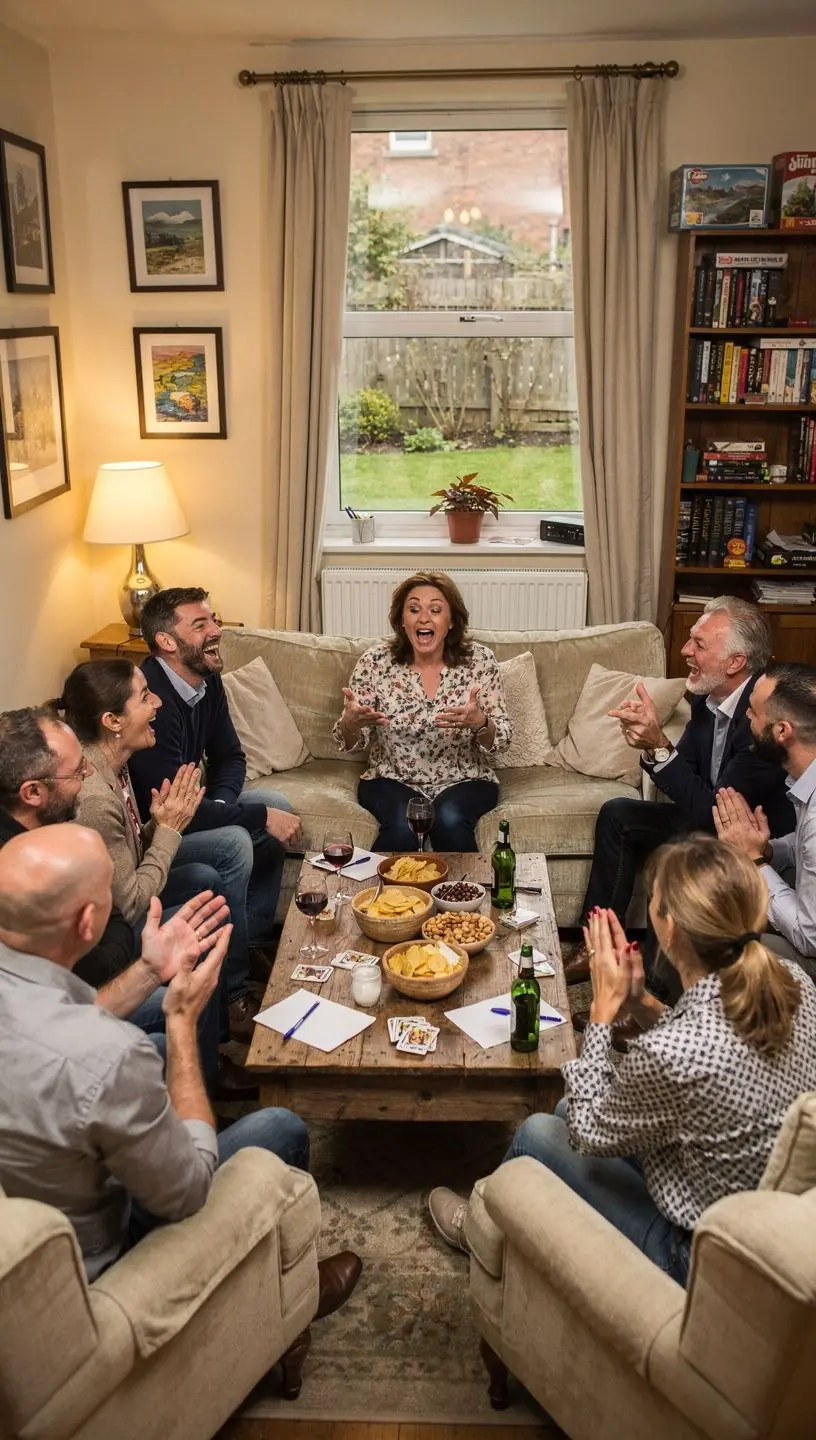
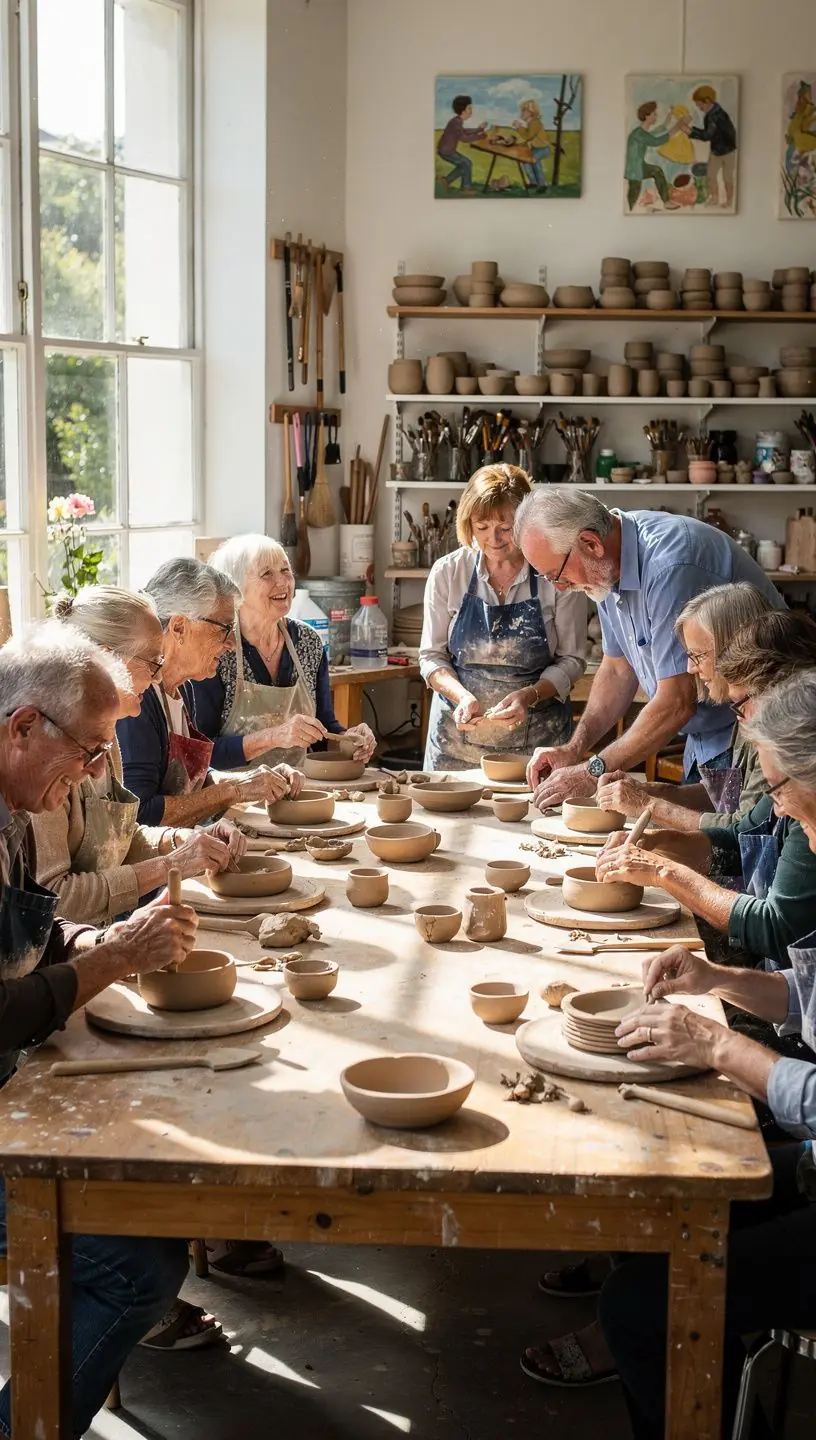
Participating in traditional games can often promote a sense of belonging and identity. Many users report that engaging in these activities helps them feel connected to their roots and fosters friendships. In most cases, these games serve as a platform for social interaction, bridging generational gaps and encouraging collaboration.
Challenges and Limitations
While traditional games offer many benefits, there are challenges to their continued popularity:
- Time Commitment: Many traditional games require a significant time commitment for practice and participation, which may deter potential players.
- Lack of Awareness: Despite their cultural significance, awareness of these games may be limited in some communities. Efforts to promote education about traditional games are crucial.
- Competition with Modern Games: Traditional games face stiff competition from modern sports and digital entertainment, which often attract younger audiences.
Conclusion
In conclusion, traditional games are an integral part of Irish culture, reflecting our heritage and fostering community. While there may be challenges ahead, the efforts to preserve and promote these games can help ensure they remain a vibrant aspect of our social fabric. Engaging in traditional games is not just about play; it's about connecting with history, community, and each other.
Learn More