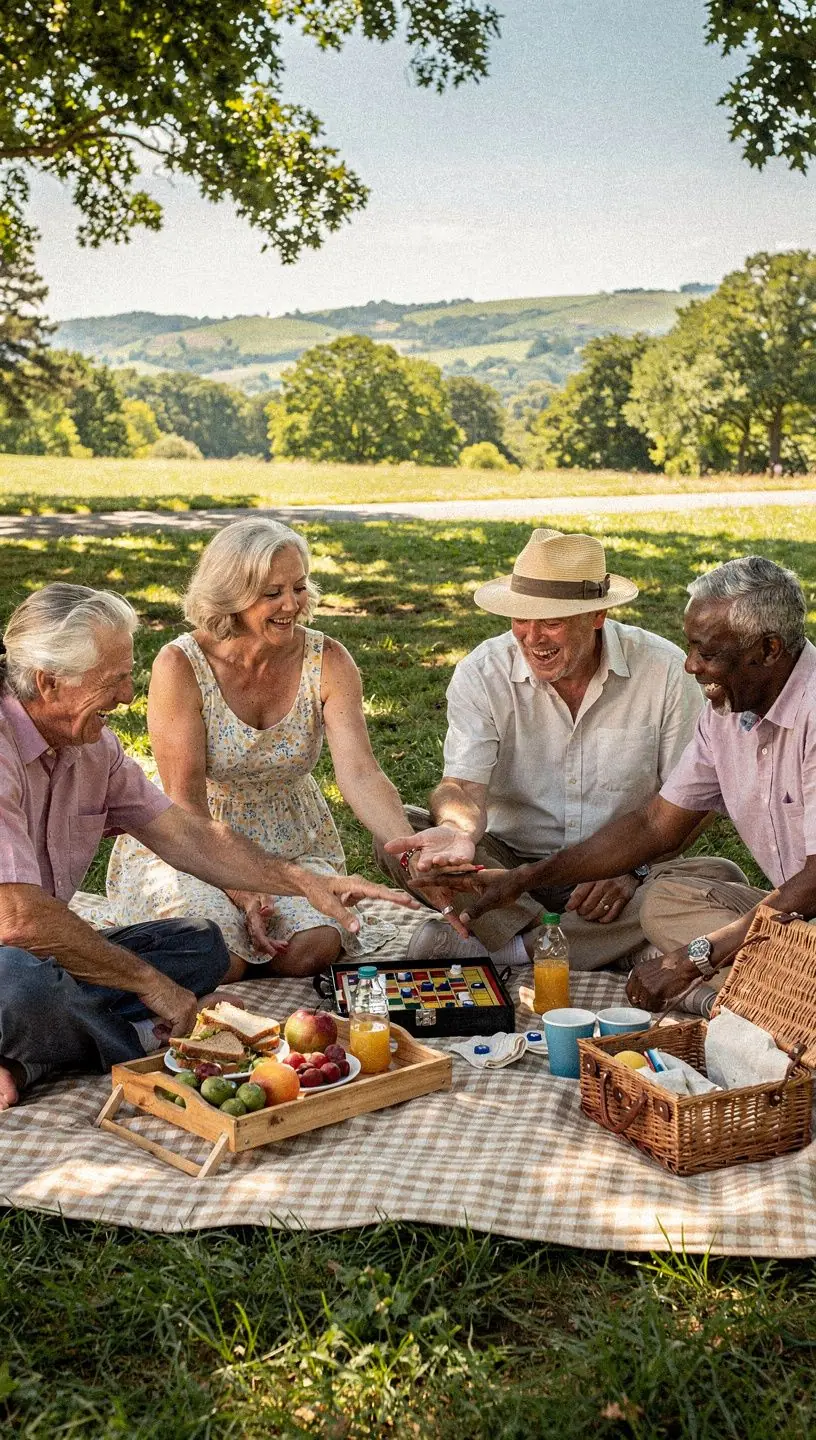
Practical Guide to Creating Inclusive Meetup Groups
Creating a welcoming and inclusive environment for meetup groups can foster community and connection, especially for individuals aged 40-60. This guide provides practical insights and strategies to make your gatherings accessible and enjoyable for everyone.
Understanding the Importance of Inclusivity
Inclusivity is crucial in group settings, as it allows diverse individuals to participate and feel valued. According to a study published by the Journal of Community Psychology, inclusive environments can lead to higher participation rates and enhanced group satisfaction. Experts recommend that leaders actively consider the needs of all potential members to create a space where everyone feels comfortable.

"An inclusive group is one where diversity is not just tolerated but celebrated."
Steps to Create Inclusive Meetup Groups
Here are some actionable steps to ensure your meetup groups are inclusive:
- Assess Accessibility: Ensure that your meeting locations are easily accessible for individuals with mobility issues. This typically involves choosing venues with ramps, elevators, and appropriate seating. Research indicates that over 20% of adults in the IE experience some form of disability, making accessibility a key consideration.
- Diverse Representation: Actively encourage a diverse range of participants by promoting the group in various community settings. This may involve reaching out to local organizations that serve different demographics. A study by the Institute for Community Engagement shows that diverse groups often generate more creative ideas and solutions.
- Foster Open Communication: Create a safe space for members to express their thoughts and feelings. This can be achieved by setting ground rules that promote respectful dialogue and by actively listening to feedback. Many users report feeling more engaged when they feel their contributions are valued.
Tips for Meeting Formats
The format of your gatherings can significantly impact inclusivity. Consider the following:
- Flexible Formats: Use a mix of formats, such as discussions, workshops, and activities, to cater to different preferences. Research shows that varied engagement methods can improve retention and satisfaction.
- Icebreakers and Team Building: Start meetings with icebreakers or team-building activities that encourage interaction among members. These activities can break down barriers and promote camaraderie.
- Feedback Loops: After each meeting, solicit feedback to continuously adapt your approach. This not only improves future gatherings but also demonstrates that you value members' input.
Acknowledging Limitations
Creating an inclusive environment typically requires ongoing effort and commitment. It may take 2-4 weeks to establish a strong sense of community within a new group. Recognizing that not every strategy will work for everyone is essential; some members might thrive in smaller settings, while others prefer larger gatherings.
Conclusion
Building inclusive meetup groups requires thoughtful planning and a willingness to adapt. By focusing on accessibility, representation, and open communication, you can create environments where all participants feel welcome and valued. Remember, the journey toward inclusivity is ongoing, and continuous improvement will help keep your community strong and vibrant.